When Farming Is Designed as a Living System
ZenTrust Team • 12/1/2024 • 3 min read
When You Zoom Out, a Pattern Appears
Modern agriculture has been extraordinarily productive — and increasingly fragile.
Across regions, yields have risen while soil health, water retention, and biodiversity have declined. These outcomes are rarely the result of poor farming practices alone. They reflect systems designed to prioritize short-term output over long-term regeneration.
As climate variability increases and input costs rise, this imbalance is becoming harder to sustain.
Regeneration Starts Below the Surface
Regenerative agriculture begins with a simple shift in perspective:
soil is not a substrate, but a living system.
Healthy soil functions through interaction — between microbes, roots, water, minerals, and organic matter. When these relationships are supported, farms become more resilient to drought, pests, and volatility.
When they are disrupted, productivity becomes increasingly dependent on external inputs.
Technology as Feedback, Not Control
Recent advances in agricultural technology are helping farmers better understand these living systems.
Tools such as soil sensors, satellite imagery, and data analytics provide feedback — revealing how land responds to different practices over time. When used thoughtfully, these technologies help farmers:
* monitor soil moisture and organic matter
* adjust planting and grazing patterns
* reduce unnecessary water and chemical inputs
* support long-term soil carbon formation
The value of these tools lies not in automation alone, but in restoring the farmer’s ability to listen to the land at scale.
Real-Time Insight, Local Decision-Making
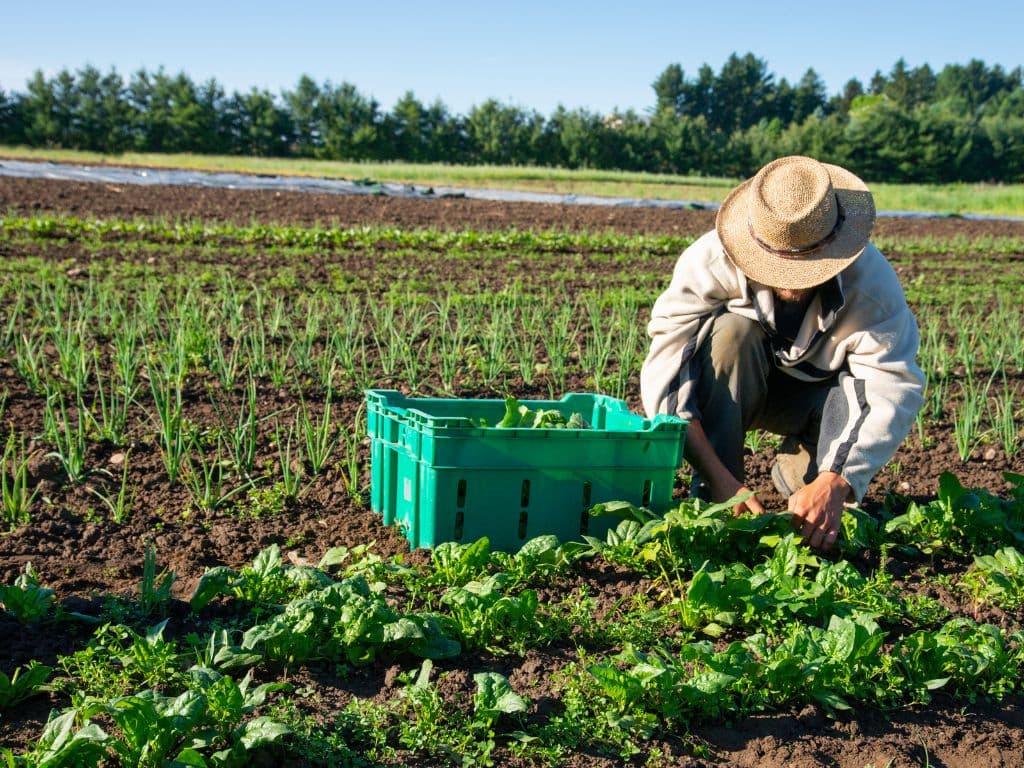
Portable soil monitoring tools now make it possible to assess microbial activity, nutrient balance, compaction, and structure directly in the field.
This information supports faster learning cycles — allowing farmers to adapt practices season by season rather than relying solely on fixed prescriptions.
Importantly, these tools are most effective when paired with local knowledge and ecological context, rather than used as one-size-fits-all solutions.
Community as the Multiplier
Technology spreads fastest — and most responsibly — when it moves through communities rather than markets alone.
At ZenTrust, regenerative agriculture education emphasizes shared learning: farmers exchanging observations, adapting techniques to place, and combining innovation with traditional ecological knowledge.
This approach recognizes that regeneration is not installed.
It is practiced, observed, and refined over time.
Looking Ahead
The future of agriculture will likely depend less on maximizing yield curves and more on restoring feedback loops.
When land, technology, and community are aligned, farming systems become more productive and more resilient — not because they extract more, but because they regenerate what sustains them.
In that sense, regenerative agriculture is not a new technique.
It is a return to designing food systems that behave like living systems.