Land Is More Than an Asset
ZenTrust Team • 12/4/2025 • 3 min read
When You Zoom Out, a Pattern Appears
Across the world, land is increasingly treated as a financial instrument — priced, traded, fenced, and optimized for short-term return.
Yet many ecological and cultural breakdowns begin at precisely this point:
when living systems are reduced to assets, and relationships are replaced by transactions.
This way of seeing land may be efficient on paper, but it often overlooks something essential.
Land Holds Continuity
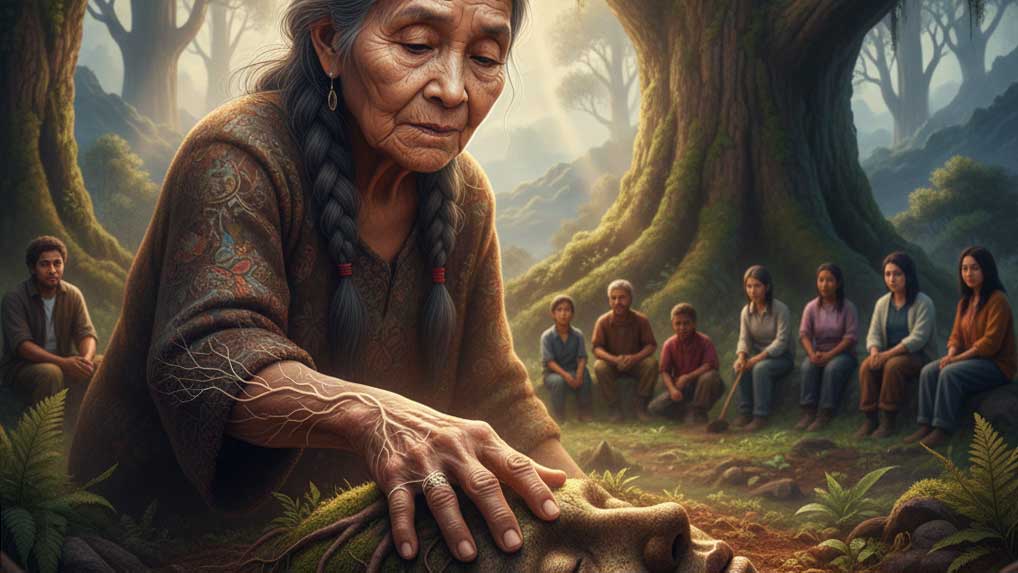
Soil is not inert. It carries memory.
Every landscape reflects layers of interaction:
* the plants that shaped its chemistry
* the water that carved its paths
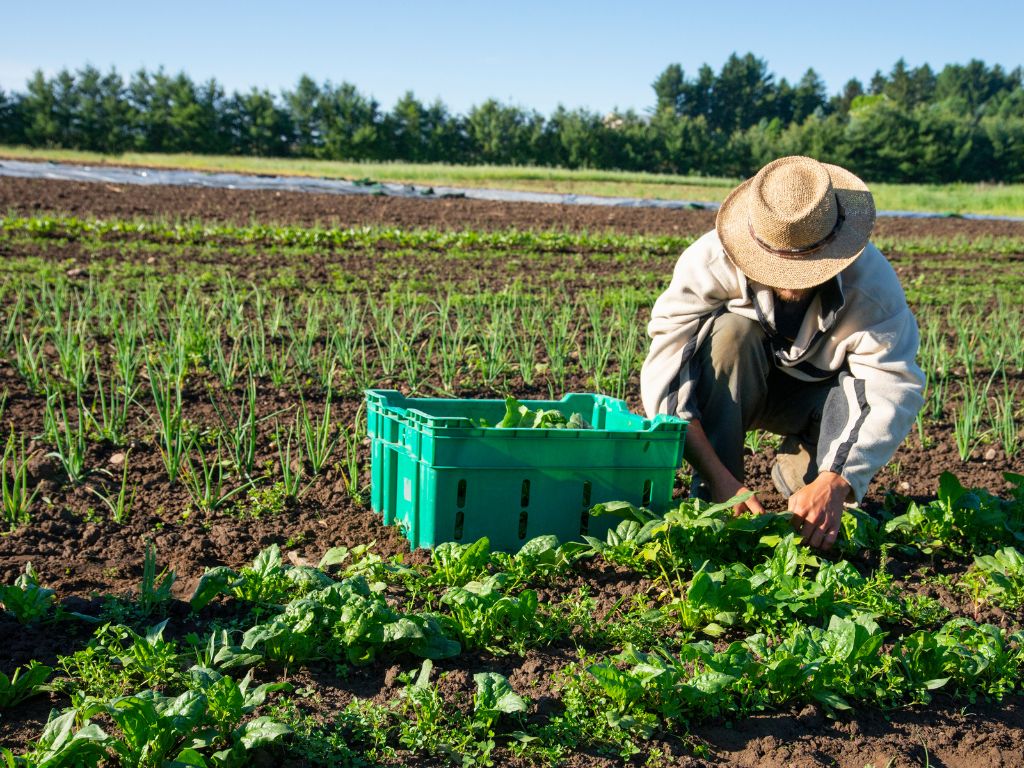
* the people who tended, harvested, and adapted to it
Many cultures have long understood land not as property, but as lineage — something received, cared for, and passed forward rather than consumed and replaced.
When land is altered without listening, continuity is broken.
When it is regenerated, relationship is restored.
From Asset Thinking to Ally Thinking
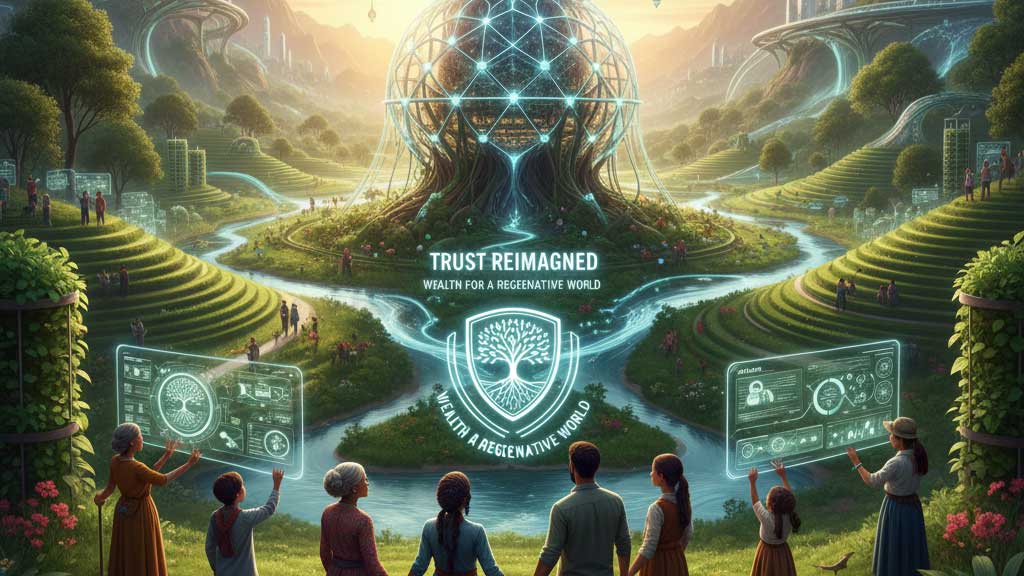
At ZenTrust, land is approached not as a resource to maximize, but as a partner to understand.
That shift changes the starting point.
Instead of asking “What can we build here?”
we begin by asking:
* What wants to grow here?
* How does water move through this place?
* What forms of human presence strengthen rather than overwhelm?
In regenerative design, the future is not built on land.
It is built with it.
Designing With Living Systems
In the Himalayan foothills, ZenTrust’s work focuses on practices that respond to place rather than impose upon it.
Food forests follow ecological succession.
Water harvesting mirrors natural flow.
Structures are shaped by climate, terrain, and material intelligence.
These choices are not symbolic.
They are practical responses to how living systems behave.
Land is not passive.
It responds to how it is treated.
What Changes When Perspective Shifts
When land is seen as a living system rather than a static asset, several changes follow naturally:
* Extraction gives way to stewardship
* Speed gives way to rhythm
* Short-term yield gives way to long-term resilience
Decision-making becomes less about control and more about participation.
Regeneration as Continuity
Regenerative practice carries a quiet understanding:
that landscapes remember, and that restoration is possible.
When land is treated as a living partner rather than a passive holding, new possibilities emerge — ecological, cultural, and human.
Not because nature is idealized,
but because systems designed around relationship tend to endure.